

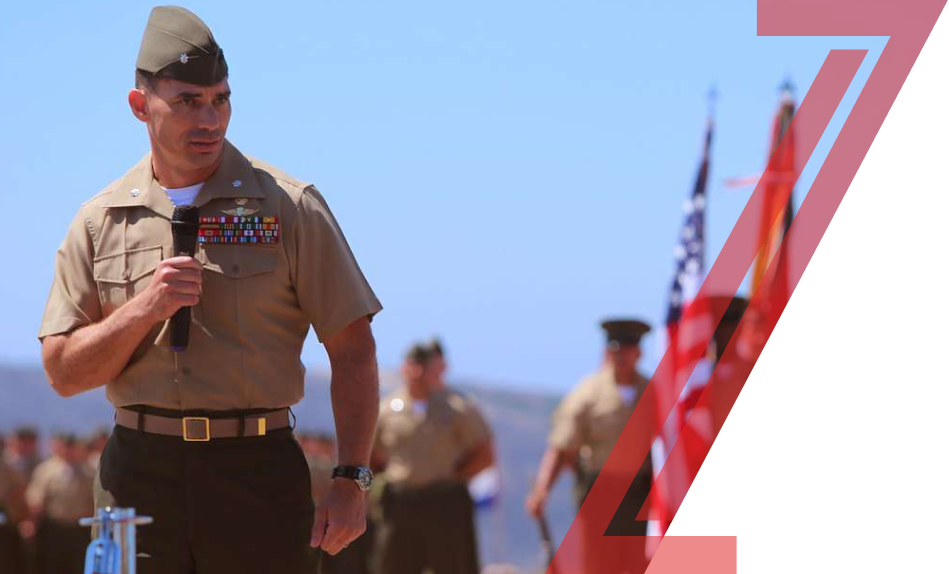
SENIOR OFFICERS

SENIOR OFFICERS

As a senior officer, you’ve spent a career leading organizations, managing complex systems, and making high-stakes decisions with clarity. Transitioning out of uniform demands that same level of structure - but the process is full of competing timelines, unclear requirements, and decisions that directly affect your long-term compensation, healthcare, and career opportunities. This program is for officers who want a discreet, professional, and structured approach to retirement or separation.

The Problem

Leadership Responsibility Leaves
Little Time for Transition Planning

Most senior officers spend years prioritizing unit readiness, staff requirements, and organizational outcomes over their own medical
care and documentation. By transition time
Chronic issues are under-documented
Medical trails are incomplete
Retirement physicals don’t capture the full career picture

High Complexity, Low Available Bandwidth

Retirement overlaps with

  • Command or staff responsibilities
  • Terminal leave decisions
  • PCS or relocation planning
  • Family considerations
  • Job search and networking

The mental load is high, and the timeline doesn’t slow down.

Anecdotes Are
Not a Retirement Plan

Most officers gather transition advice from peers, group chats, or hallway conversations - information shaped by luck, timing, or personal experience.

Relying on anecdotes for something as consequential as retirement leads directly to avoidable errors, missed entitlements, and long-term financial impact.

Documentation Gaps
Accumulate Over a Career

Common patterns include
1.

Early-career field injuries never documented properly

2.

Hearing loss, sleep issues, and migraines minimized for years

3.

Hypertension, endocrine changes, and chronic fatigue overlooked

4.

Deployment- or command-related stress injuries unrecorded

These gaps directly impact VA evaluations and transition efforts - especially cognitive, ortho, and hearing claims

Perception Management

Officers often avoid asking questions because
1.

They don’t want to appear uninformed

2.

They don’t want to signal early intent to retire

3.

They don’t want staff or peers overanalyzing their transition timeline

These gaps directly impact VA evaluations and transition efforts - especially cognitive, ortho, and hearing claims

Career Uncertainty After Decades of Structure

Civilian opportunities (GS, private sector, consulting, defense industry) all have different timelines, prerequisites, and expectations. Without a structured plan, officers underestimate
1.

Their market value

2.

How to present command experience to civilian employers

3.

How early they need to start networking

These gaps directly impact VA evaluations and transition efforts - especially cognitive, ortho, and hearing claims

The Solution

We build a structured, discreet process designed around the demands and expectations of senior leaders.

What You Get

1.

A complete medical documentation strategy

to close gaps from a multi-decade career
2.

Sequenced timelines

that align retirement, BDD windows, terminal leave, and required exams
3.

Clear guidance on VA processes

so ratings reflect actual wear, not incomplete paperwork
4.

Discreet support

that respects your role, schedule, and the sensitivity of transition timing
5.

Executive-level career planning

that converts leadership experience into a civilian-ready identity

YOU ONLY TRANSITION ONCE.

Most service members have never purchased a service like this — but they should.
“Most service members don’t realize how much money, time, and opportunity they lose during transition until it’s already too late. We fix that.”

Schedule Now

THE CLOCK IS TICKING

Let Us create your Plan of Action TODAY